From Self-reliance to Complete Assistance: Secret Distinctions Between Assisted Living and Nursing Homes
Business Name: BeeHive Homes of Draper
Address: 711 Pioneer Rd, Draper, UT 84020
Phone: (801) 495-3100
BeeHive Homes of Draper
Full service assisted living facility serving southern Salt Lake County offering all-inclusive Memory Care, Assisted Living, and Senior/Adult Day Care services.
711 Pioneer Rd, Draper, UT 84020
Business Hours
Choosing in between assisted living and a nursing home is rarely a simply scientific choice. It is usually a family story: a partner attempting to keep a promise, an adult kid feeling pulled between work and caregiving, an older adult attempting to hold on to self-respect while accepting that some aid is now necessary.
I have actually sat at cooking area tables with households who waited too long, and with others who moved too quick out of fear. The hardest scenarios often originated from a simple misunderstanding. Individuals used "assisted living" and "nursing home" as if they were interchangeable, then found late in the process that they had chosen the wrong level of care.
Understanding the real differences in between these two types of senior care is the foundation for a safer, more respectful strategy. It shapes whatever: expense, quality of life, medical security, and the psychological tone of the years ahead.
Two Very Various Viewpoints of Care
On paper, assisted living and nursing homes might look comparable. Both supply housing, meals, and assist with daily jobs for older grownups. In practice, they exist on various points of a spectrum, from independence to full medical support.

Assisted living is constructed around the concept of helping an older adult stay as independent and engaged as possible, with assistance woven in around daily life. The setting feels more like an apartment building or a residential hotel. Citizens lock their own doors, furnish their own spaces, and come and go to meals and activities by option. Staff aid with personal care, medications, and security checks, however the underlying assumption is that the person can take part in their own life decisions.
Nursing homes, likewise called knowledgeable nursing centers, are structured initially around medical and nursing needs. Homeowners tend to have more complex health concerns: unsteady heart disease, advanced dementia, frequent falls, feeding tubes, or the need for daily nursing treatments. The environment feels more scientific. There are nurses on-site 24 hr a day, doctors managing care, and rigorous regimens connected to medical tasks.
If you hold one clear idea in mind, let it be this: assisted living is social and assistance focused, nursing homes are medical and supervision focused. Lots of older grownups will move through this spectrum as their health changes.
A Quick Picture: Secret Differences
To anchor the ideas, it can help to see the high level contrasts in one place.
- Assisted living is designed for people who are primarily stable medically however require help with day-to-day tasks like bathing, dressing, or managing medications.
- Nursing homes are designed for individuals who require continuous nursing care, close monitoring, or rehabilitation after a hospital stay.
- Assisted living emphasizes personal privacy, social life, and choice, frequently in apartment-style units with shared dining and activities.
- Nursing homes stress medical oversight and security, typically with shared or semi-private rooms and more structured schedules.
- Assisted living is typically private pay and less managed in detail than nursing homes, which are greatly regulated and typically moneyed by Medicare or Medicaid, depending on the nation and particular situation.
The rest of this short article goes into what these distinctions imply once someone really lives there.
Daily Life: How It Really Feels to Live There
When families tour communities, they frequently focus on the décor or the menu. Those matter, however what truly shapes a resident's experience is the rhythm of a common Tuesday.
In most assisted living neighborhoods, mornings start on the resident's schedule. Personnel offer aid with rising, bathing, and dressing, however within a time window that appreciates individual choice. A resident may choose breakfast in the dining-room with buddies, or have a tray gave the home sometimes. There are typically a number of activities every day, from exercise classes to conversation groups or trips to local stores. Homeowners reoccur, interact socially, or retreat to their rooms as they wish.
The general feel is similar to a small neighborhood with built-in supports. Some residents need only light aid, such as tips to take medication. Others may need more hands-on support, such as two-person transfers from bed to chair, however the culture still pushes toward autonomy where possible.
In a nursing home, every day life follows a more regimented pattern. Medications need to be passed at particular times, treatments done on schedule, and meals collaborated with medical needs. Personnel work within rigorous staffing ratios and documentation requirements. For locals with substantial medical or cognitive obstacles, that structure can be assuring and essential for security. For those who are still fairly independent however clinically fragile, it can feel restrictive.
I when cared for a previous instructor who moved from assisted living to a nursing home after a stroke. In assisted living, she organized a casual book club and demanded walking herself to meals. After the stroke, she required a wheelchair and aid with transfers and toileting. In the nursing home, she missed the spontaneous corridor chats however needed the quick reaction when her high blood pressure dropped or when she had breathing concerns at night. Her comment summed it up: "I gave up a little flexibility to survive longer and not frighten my kids every week."
Neither setting is naturally better. They support various requirements and temperaments.
Levels of Help: What Assist Is In Fact Provided
Senior care marketing language can blur essential lines. "We offer support with activities of daily living" appears on practically every brochure. The real questions are: how much, how often, and by whom?
Assisted living normally concentrates on:
- Help with activities of daily living (ADLs), such as bathing, dressing, grooming, toileting, and transferring.
- Medication reminders or administration, typically handled by trained aides with nurse oversight.
- Light house cleaning, laundry, and meals.
- Safety checks and action to call bells.
In lots of regions, assisted living personnel can not legally supply intricate medical treatments. They may not manage feeding tubes, wound vacs, IV medications, or extensive behavioral management for extreme dementia, particularly if it includes hostility or wandering that compromises safety.
Nursing homes, in contrast, provide a full series of nursing services. This can consist of wound take care of pressure injuries, IV prescription antibiotics, post-surgical care, tracheostomy care, and detailed management of multiple persistent conditions. They can likewise adapt more easily when someone's condition gets worse unexpectedly, such as after a cardiac arrest flare or recurrent infections.
Families often attempt to extend assisted living beyond what it can safely handle by including private responsibility caregivers. This can work for a time, especially if the person values the homier environment. But as the need for two-person help, frequent medical checks, or complex dementia care grows, the stress between self-reliance and safety ends up being impossible to ignore.
Medical Oversight and Security Nets
Medical oversight is where the gap between assisted living and nursing homes becomes stark.
In most assisted living communities:
- There might be a nurse on-site just part of the day, or often just on call.
- Physicians normally visit on an arranged basis, or homeowners continue to see their own medical professionals off-site.
- If a medical emergency situation emerges, staff call 911 and send the resident to the emergency department.
- Monitoring is intermittent. Essential indications may be inspected just when there is an issue or for a particular medical order.
Nursing homes run much closer to a medical unit:
- Licensed nurses are usually on-site 24 hours a day.
- Physicians and nurse practitioners round frequently and react to changes in condition.
- Many intense problems, such as urinary tract infections, small pneumonias, or mild heart failure flares, can be treated on-site without a trip to the hospital.
- Residents typically have routine important indications and weight checks, along with detailed tracking of fluid intake, skin integrity, and behavior.
For someone with vulnerable health who lands in the healthcare facility three or 4 times a year, the added medical support of a nursing home can lower that cycle of crisis. For somebody whose conditions are steady, assisted living normally provides sufficient oversight with far more autonomy.
Cognitive Modifications and Dementia: Where Each Setting Fits
Cognitive decrease makes complex everything. Memory loss can be mild and mostly annoying, or it can advance to the point where a person no longer recognizes risk, wanders outside in the evening, or ends up being aggressive when frightened.
Many assisted living communities provide "memory care" units. These are typically protected, with locked doors and specialized personnel training. They are developed for homeowners with moderate dementia who require structured routines, ecological hints, and close guidance, but who do not require continuous hands-on nursing care.
However, memory care in assisted living still has limitations. If someone begins to fall consistently, declines medications, has uncontrollable behavioral signs despite psychiatric assistance, or develops late-stage dementia with feeding troubles and frequent infections, a nursing home is generally better equipped. Skilled nursing centers can supply more extensive guidance, complex medication modifications, and coordination with psychiatric and palliative care teams.
Families frequently fight with guilt over moving a loved one with dementia from assisted living or memory care into a nursing home. In my experience, the concern to ask is not "Can we keep them here with adequate support?" but "Is this environment still keeping them safe and comfortable, or are we bending it beyond its design?"
Costs, Insurance, and Financial Trade-offs
Costs vary commonly by region, however the financial patterns are relatively consistent.
Assisted living is typically personal pay. Monthly costs cover rent, meals, and a basic level of service, with added fees for greater care tiers. A resident might start at a lower cost and, as they need more aid with bathing, mobility, or incontinence care, move into higher prices levels. Member of the family are frequently surprised when the monthly expense grows considerably over several years.
Long-term care insurance might pay for some or all of assisted living, depending upon the policy. Many policies have an "elimination duration," which functions like a waiting period before benefits start. Veterans' benefits and specific regional programs can assist, but they hardly ever cover the full amount.
Nursing homes, on the other hand, are more likely to user interface with public insurance. In lots of countries, short-term rehabilitation remains in a nursing home after a healthcare facility admission are covered by nationwide health programs or insurance coverage. Long-lasting custodial care in a nursing home might be paid through a mix of private funds, long-lasting care insurance, or federal government programs for those who certify financially.
The financial compromise is genuine. Assisted living typically feels better and more personal, but may need ongoing personal payment. Nursing homes can eventually be more cost effective for long-lasting, high-needs elderly care if the resident receives public help, but the environment is more institutional.
The useful approach is to run monetary circumstances early. If a household is investing down savings quickly in assisted living to keep somebody in a more independent setting, it is a good idea to map out what occurs if a nursing home level of care ends up being needed. Preparation ahead prevents rushed decisions in the middle of a crisis.

The Role of Respite Care in the Decision
Respite care can be a powerful, underused tool when families doubt about the ideal level of care. Both assisted living communities and nursing homes typically offer short-term stays, anywhere from a couple of days to several weeks.
In assisted living, respite care is normally geared toward providing family caregivers a break or test-driving the community. An older adult may stay for ten days while their child takes a trip for work. During that stay, personnel can observe just how much support is really required. Families are often shocked. A parent who "only requires a little aid" in your home often ends up to require more hands-on support once they are observed throughout full days and nights.
In nursing homes, respite stays can serve comparable purposes however with higher medical oversight. If a caregiver is exhausted from offering 24-hour care to a partner with advanced dementia, a week or more of respite in an experienced setting can stabilize medications, improve nutrition, and give the caretaker space to think plainly about long-lasting plans.
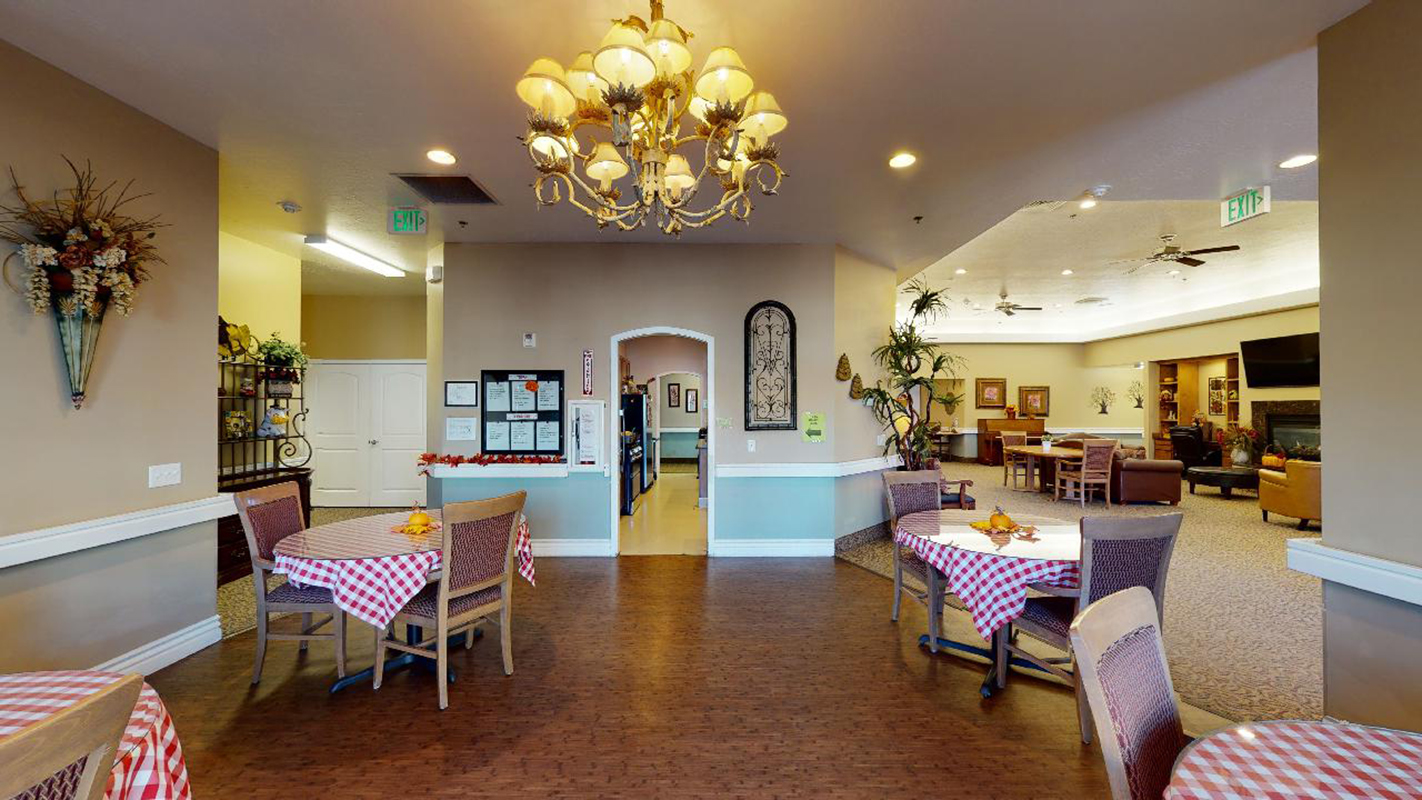
Used attentively, respite care ends up being a low-risk method to collect info. It allows everybody to experience the setting before devoting to a permanent relocation and can highlight whether assisted living is sufficient or a nursing home is really needed.
Emotional Truths: Independence, Identity, and Family Dynamics
Care choices are seldom almost safety. They are also about identity.
An older adult moving into assisted living might be grieving the loss of a house, a garden, or driving. Assisted living, when succeeded, acknowledges that loss while maintaining as lots of routines and choices as possible. Homeowners can embellish their houses with familiar furnishings, preserve pastimes, and make brand-new friends. Personnel can fold small choices into daily care, such as how an individual likes their coffee or the order in which they dress.
A transfer to a nursing home frequently follows a medical occasion or an obvious decline. The shift can feel abrupt. I have seen locals move from complete self-reliance to a nursing home in the period of three weeks after a fall and stroke. In those cases, the emotional work for both the family and the resident involves accepting a brand-new level of vulnerability. It helps when staff require time to understand who the individual was before they required this level of help, not simply who they are on paper now.
Family characteristics can make complex everything. Brother or sisters might disagree about risks or expenses. A spouse might demand "never putting them in a home" and then confront burnout and bitterness. Calling these psychological undercurrents freely, frequently with the assistance of a social worker, leads to better decisions.
Practical Signals That Assisted Living May Be Enough
Families frequently ask for a basic guideline. There is no best formula, but particular patterns recommend that assisted living is likely appropriate, a minimum of for now.
Assisted living tends to work well when:
- Medical conditions are fairly stable, with routine office visits rather than regular emergency situation trips.
- The individual can participate in their own care decisions, even if they require pointers or aid with execution.
- They can consume consistently without intensive triggering or unique interventions.
- Behavioral symptoms from dementia, if present, are workable with redirection and do not include severe hostility or self-harm.
- Falls, if occurring, are infrequent and not causing serious injuries, and personnel can fairly lower risk with assistances like grab bars and movement aids.
In these circumstances, the social structure, activities, and privacy of assisted living can actually improve health by lowering seclusion and supporting well balanced routines.
Clear Signs That a Nursing Home May Be Safer
Conversely, there are patterns that signal a requirement for the greater level of senior care offered by a nursing home. The most worrying mix is frequent medical crises plus a shrinking capability to understand or follow safety instructions.
Nursing home positioning becomes more appropriate when:
- There are repeated hospitalizations or emergency situation visits for conditions like cardiac arrest, pneumonia, serious infections, or unrestrained diabetes.
- The person requires two-person transfers regularly, utilizes a mechanical lift, or has actually ended up being largely bedbound.
- They requirement proficient treatments on an everyday or near-daily basis, such as complex injury care, IV medications, or frequent suctioning for breathing issues.
- Advanced dementia results in roaming into unsafe areas, aggression that puts others at threat, or an inability to eat or drink without constant prompting or unique assistance.
- Family caretakers or assisted living personnel are revealing unsustainable strain or fear about safety despite affordable interventions.
When these patterns are present, attempting to "make assisted living work" often results in near-constant crises and burnout. A nursing home's heavier staffing design and medical facilities can supply a much safer and more stable environment.
Questions to Ask When Touring Communities
When you visit possible communities, it is easy to get caught up in looks. A newly refurbished lobby does not guarantee good care, and an older building can house an exceptional group. Focus your restricted time on questions that expose how the location in fact functions.
Here are useful questions that often reveal more than any sales brochure:
- How do you choose when somebody's requirements are too high for this setting, and can you share recent examples?
- What is your personnel turnover like, especially among assistants and nurses, and how do you support training for dementia and complicated care?
- How do you manage medical changes at night or on weekends, and who is licensed to make decisions in those circumstances?
- For respite care, what information do you collect before admission, and how do you share what you discover with families afterward?
- Can I talk with a current resident or family member, chosen by you, about their experience with communication and responsiveness?
Listen for specifics instead of unclear peace of minds. The best centers, whether assisted living or nursing homes, are frank about their limits and clear about how they escalate concerns.
Planning for Transitions Instead of One Last Move
One of the quieter truths in elderly care is that many individuals will not spend the rest of their lives in a single setting. A relatively common trajectory may look like this: living at home with increasing assistance, then assisted living, then perhaps memory care within assisted living, and eventually a nursing home for those last months or years when medical needs are constant.
Families sometimes feel they have failed when a relocation from assisted living to a nursing home ends up being required. In practice, this transition often suggests that the earlier choices maintained independence longer and made excellent use of each level of care.
Good preparation accepts that needs modification. That indicates:
- Choosing assisted living neighborhoods that have clear criteria and truthful interaction about when they can no longer securely meet needs.
- Understanding which nursing homes close by have solid reputations, even if you hope you never need them.
- Using respite care tactically to test settings and break cycles of caregiver exhaustion.
- Documenting preferences beforehand regulations and care strategies so that when a crisis comes, decisions reflect the individual's worths, not just the family's fear.
Thoughtful usage of the complete continuum of care is not a failure of independence. It is typically what enables an older adult to invest more time living and less time in preventable crises.
Selecting between assisted living and nursing homes is not about choosing the "much better" assisted living near me alternative in some abstract sense. It is about matching genuine human needs to the right environment at the right time, acknowledging that both self-reliance and safety matter deeply. When households understand the differences, ask difficult concerns, and enable future transitions, they provide their loved ones a much better possibility at a last chapter marked by self-respect, comfort, and as much control as health will allow.
BeeHive Homes of Draper provides assisted living care
BeeHive Homes of Draper provides memory care services
BeeHive Homes of Draper provides respite care services
BeeHive Homes of Draper supports assistance with bathing and grooming
BeeHive Homes of Draper offers private bedrooms with private bathrooms
BeeHive Homes of Draper provides medication monitoring and documentation
BeeHive Homes of Draper serves dietitian-approved meals
BeeHive Homes of Draper provides housekeeping services
BeeHive Homes of Draper provides laundry services
BeeHive Homes of Draper offers community dining and social engagement activities
BeeHive Homes of Draper features life enrichment activities
BeeHive Homes of Draper supports personal care assistance during meals and daily routines
BeeHive Homes of Draper promotes frequent physical and mental exercise opportunities
BeeHive Homes of Draper provides a home-like residential environment
BeeHive Homes of Draper creates customized care plans as residents’ needs change
BeeHive Homes of Draper assesses individual resident care needs
BeeHive Homes of Draper accepts private pay and long-term care insurance
BeeHive Homes of Draper assists qualified veterans with Aid and Attendance benefits
BeeHive Homes of Draper encourages meaningful resident-to-staff relationships
BeeHive Homes of Draper delivers compassionate, attentive senior care focused on dignity and comfort
BeeHive Homes of Draper has a phone number of (801) 495-3100
BeeHive Homes of Draper has an address of 711 Pioneer Rd, Draper, UT 84020
BeeHive Homes of Draper has a website https://beehivehomes.com/locations/draper/
BeeHive Homes of Draper has Google Maps listing https://maps.app.goo.gl/LgtrXf95hQFVgKrY8
BeeHive Homes of Draper has Facebook page https://www.facebook.com/BeeHiveDraper/
BeeHive Homes of Draper won Top Assisted Living Homes 2025
BeeHive Homes of Draper earned Best Customer Service Award 2024
BeeHive Homes of Draper placed 1st for Utah Senior Living Communities 2025
People Also Ask about BeeHive Homes of Draper
What is BeeHive Homes of Draper Living monthly room rate?
Our monthly rates for both Assisted Living and Memory Care at BeeHive Homes of Draper are thoughtfully designed to be all-inclusive. While pricing reflects each resident’s unique care needs, families appreciate that once a rate is established, it remains stable - no hidden fees or surprise increases as care evolves. We believe in clarity, consistency, and peace of mind
Can residents stay in BeeHive Homes of Draper until the end of their life?
In many cases, yes. We are honored to support residents throughout their journey, including end-of-life care, right here in the comfort of our Draper home. There are rare occasions when medical needs exceed our licensing (such as 24-hour skilled nursing) but we’ll always guide families through any transition with care and compassion
Do we have a nurse on staff?
Yes, we do. Our Registered Nurse, Jacque Parker, R.N., works closely with local home health nurses and house-call physicians to coordinate excellent care. This collaboration allows us to meet a wide range of health needs right here at home
What are BeeHive Homes of Draper's visiting hours?
We know how important it is to stay close to loved ones. That’s why visiting hours at our Draper home are flexible and designed around what works best for the resident. You’re welcome to visit during the day... just try not to come to early and stay too late
Do You Offer Rooms for Couples?
Yes, we do! BeeHive Homes of Draper offers select suites for couples who wish to continue living together while receiving care. These shared accommodations preserve comfort and connection while ensuring both individuals get the personalized support they need. Availability is limited, so reach out to learn more
Do You Provide Senior Day Care or Respite Services?
Absolutely. Our senior day care and short-term respite care options are perfect for families who need extra help during the day or while traveling. Guests enjoy the same high-quality care, engaging activities, and home-cooked meals as our full-time residents, all in a safe, social environment. We’ll help you find a care plan that fits your schedule and your loved one’s needs.
What’s the Difference Between Assisted Living and Memory Care?
Assisted living is best for seniors who benefit from help with daily activities but still enjoy socializing and independence. Memory care is a more structured service tailored to individuals with Alzheimer’s or other cognitive conditions, with routines, guidance, and security that support safety and emotional well-being.
Where is BeeHive Homes of Draper located?
BeeHive Homes of Draper is conveniently located at 711 Pioneer Rd, Draper, UT 84020. You can easily find directions on Google Maps or call at (801) 495-3100 Monday through Sunday Open 24 hours
How can I contact BeeHive Homes of Draper?
You can contact BeeHive Homes of Draper by phone at: (801) 495-3100, visit their website at https://beehivehomes.com/locations/draper/ or connect on social media via Facebook
Conveniently located near BeeHive Homes of Draper Cinemark Draper a great movie theater with full food & drink menu. Catch a movie and enjoy some great food while you wait.